
In Luxembourg, municipalities play a vital role in the energy and climate transition. Thanks to the Climate Pact, they can implement concrete measures to reduce their energy consumption, improve the energy efficiency of their buildings, develop more sustainable transport, and support citizens in adopting climate-friendly solutions.
Practically speaking, however, what difference does this make to your daily life?
The Climate Pact: a practical framework for local action
The Climate Pact is a national programme supported by the Ministry of the Environment, Climate and Biodiversity. It supports Luxembourg’s local authorities in implementing measures relating to climate protection and the energy transition.
Participating municipalities receive support from a climate advisor and can obtain certification based on the actions they have carried out. The more ambitious the targets, the higher the results and the level of certification can be. Financial support allocated by the Ministry can in return be reinvested in new local projects.
Today, all 100 municipalities in Luxembourg are participating in the Climate Pact, and the vast majority have already obtained a certain level of certification.
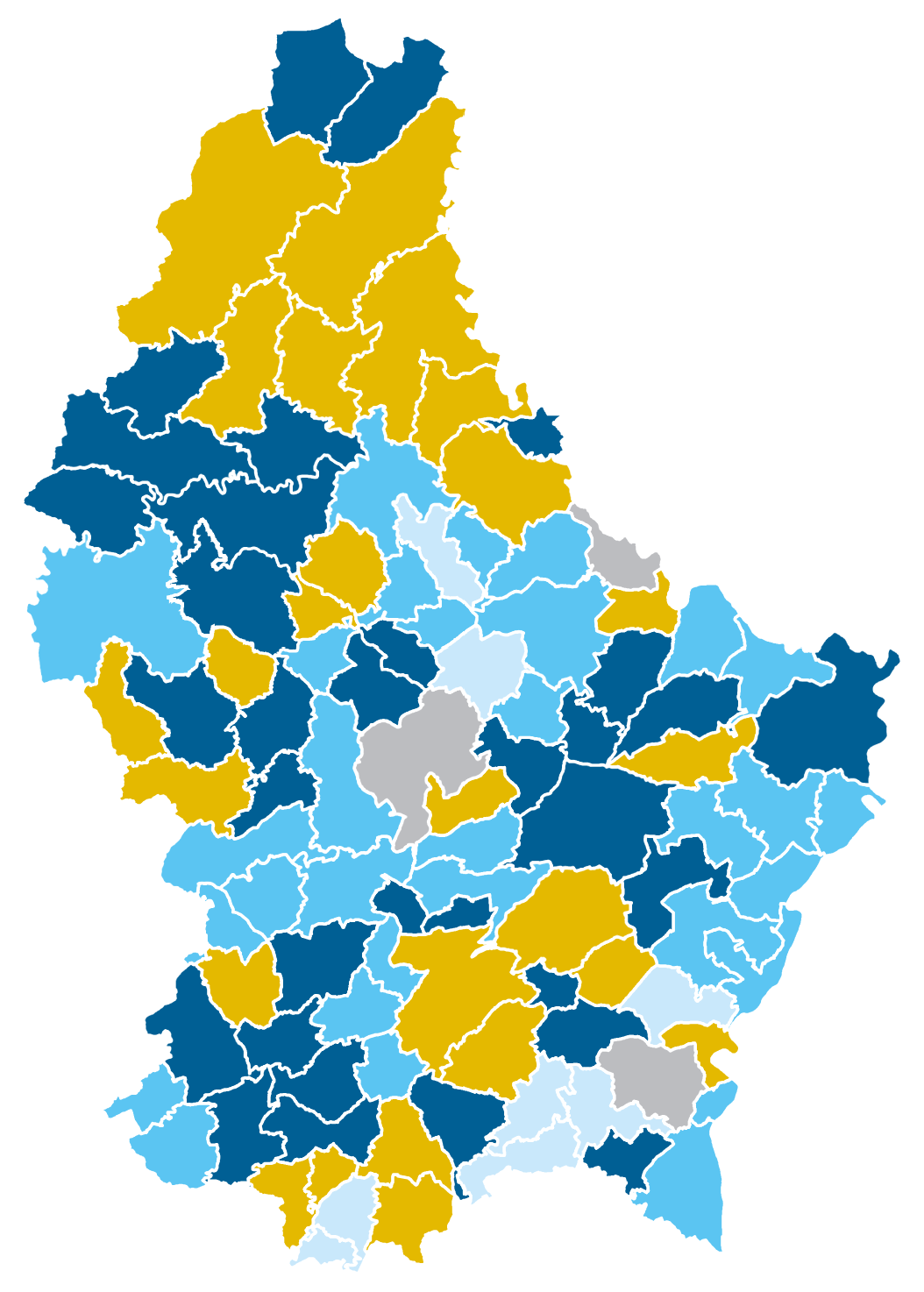
Concrete measures in Luxembourg’s municipalities
The Climate Pact is being implemented through a number of tangible projects by the municipalities.
These may include, amongst other things:
- energy-efficient refurbishment of a building;
- measures to promote the circular economy, air quality and adaptation to climate change;
- the development of infrastructure to promote sustainable mobility;
- awareness-raising initiatives to support citizens in the energy and climate transition.
These measures help to reduce energy consumption and CO2 emissions, and improve quality of life at a local level.
Energy and climate projects that also inspire local residents
Some local authorities will go even one step further by launching pilot projects to raise awareness among residents.
In Dudelange, for example, the ‘Maison 71’ project involves renovating a single-family home to improve its energy efficiency and sustainability, with the additional aim of creating affordable housing. The project is accompanied by a public communication campaign explaining the different stages of the renovation, the technical choices made and the solutions implemented.
The aim is to demonstrate in practical terms:
- how to carry out an energy-efficient renovation;
- what challenges may arise;
- what solutions are available;
- and how this can benefit overall energy consumption.
Such initiatives enable citizens to better understand the options available before embarking on their own projects.
Discover the Dudelange municipality’s project in a video via RTL Energietipp.

How does the Climate Pact matter to you as a resident?
The measures implemented under the Climate Pact have a direct impact on the overall quality of life:
- more comfort in buildings;
- lower energy consumption;
- better control over energy costs;
- municipalities are more resilient to climate challenges.
The Climate Pact therefore provides a practical framework to support local authorities in implementing concrete measures for the energy and climate transition.